
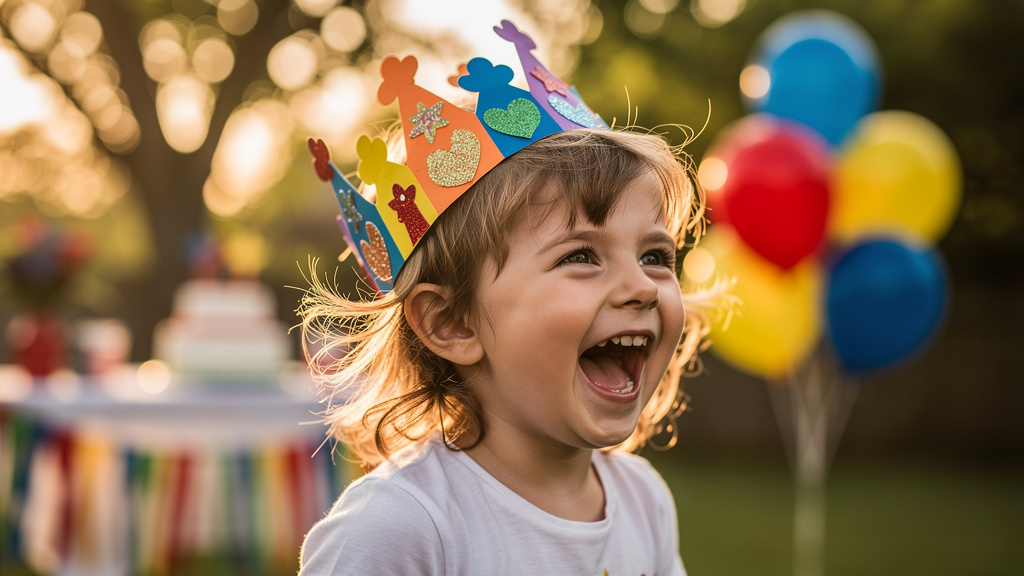
25 Party Entertainment Ideas for 5 Year Olds That Kids Love
Picture this: Your child races through the front door, still wearing a birthday hat from their friend’s party, eyes sparkling with excitement as they recount every thrilling moment. “When it’s my birthday, can we do that?” they ask breathlessly. You smile, but inside, a small wave of pressure builds. Your baby is turning five—officially a “big kid”—and this celebration deserves to match their growing imagination and energy.
Planning party entertainment ideas for 5 year olds presents a special sweet spot. They’re no longer toddlers content with simple bubbles and balloons, yet they still need structure, clear instructions, and activities that won’t frustrate their developing skills. Get it right, and you’ll create memories that last a lifetime. Get it wrong, and you might spend two hours managing chaos instead of celebrating.
This guide delivers exactly what you need: 25 diverse, tested birthday party activities for 5 year olds that genuinely engage kids while keeping logistics manageable for parents. From budget-friendly DIY options to special splurge-worthy experiences, these ideas span active outdoor games, creative projects, and themed adventures that match various interests and party sizes.
Before the entertainment begins, you’ll want invitations that build excitement from day one. Layer7 Designs offers custom digital invitations with editable Canva templates that perfectly capture your child’s personality and party theme. These instant downloads make it easy to set an exciting tone while saving time and money.
Whether you’re working with a backyard, a living room, or a rented space, these 25 party activities for 5 year olds will help you craft a celebration your child will remember forever.
Key Takeaways
-
Five-year-olds thrive with a balance of structured activities and imaginative play that matches their developmental stage
-
Successful parties typically combine 3-4 entertainment types: active games, creative projects, and themed experiences
-
Most activities work best when planned for 2-3 hours total, with 10-15 minute segments per activity
-
Budget-friendly DIY entertainment creates just as many magical memories as expensive professional options
-
Custom digital invitations from Layer7 Designs build anticipation and set your party theme before guests arrive
-
The best entertainment choices reflect your child’s individual interests rather than following generic trends
-
Proper planning with clear timelines and helper assignments prevents party-day stress
Why Entertainment Planning Matters for 5-Year-Old Birthday Parties
Five-year-olds occupy a fascinating developmental stage. Their attention spans have stretched to 10-15 minutes for focused activities, their social skills are blossoming, and they crave achievement and recognition. They understand rules, enjoy friendly competition, and possess vivid imaginations that turn ordinary spaces into magical worlds—a cognitive ability closely tied to (PDF) Pretend Play development at this age.
This growth creates both opportunities and challenges for party planning. The right kids party entertainment prevents the disasters every parent dreads: bored children wandering aimlessly, overstimulated meltdowns, tears over perceived unfairness, or that dreaded moment when you realize you’ve run out of activities with an hour still remaining.
Thoughtful entertainment planning addresses parental anxiety too. You want every guest to feel included, to go home happy, and to tell their parents what an amazing time they had. For many families, the fifth birthday marks the transition from preschool to kindergarten—a milestone worth celebrating properly.
Well-planned 5 year old birthday party games create positive memories that extend beyond the party itself. Children remember feeling special, parents appreciate smooth logistics, and you get to actually enjoy watching your child’s joy instead of frantically troubleshooting problems. Starting with the perfect invitation from Layer7 Designs signals to guests that something exciting awaits, building anticipation that makes the actual party even more magical.
1. Obstacle Course Adventure
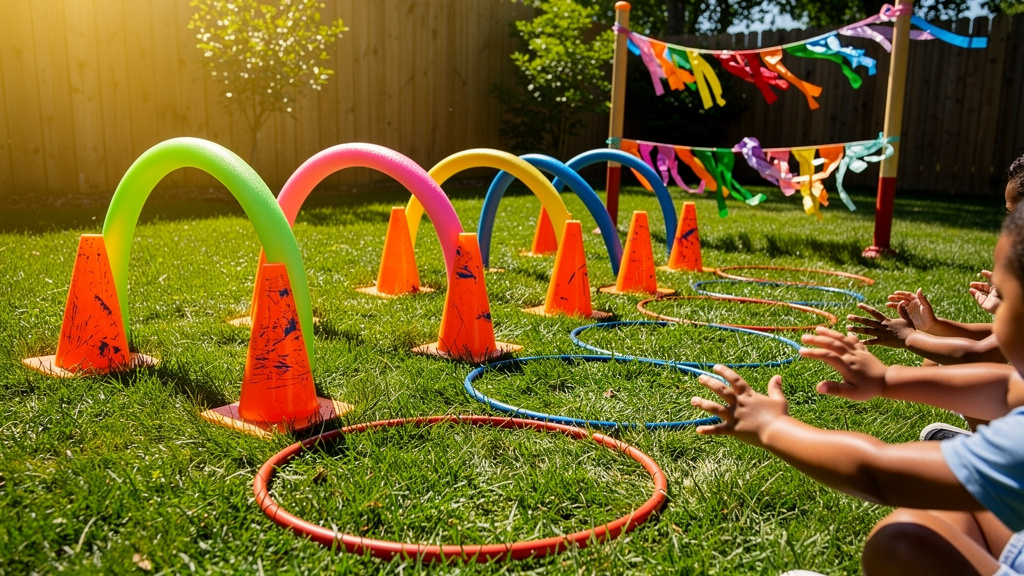
Transform your space into an action-packed challenge zone with an obstacle course designed for five-year-old capabilities. Set up stations using household items: crawl through blanket tunnels, weave between cones, balance along a taped line, jump through hula hoops, and toss bean bags at targets. This burns enormous energy while building confidence as kids master each challenge.
Create themed variations that match party interests. A “ninja warrior training” course includes foam pool noodles to duck under, pillows to jump across, and a finish bell to ring triumphantly. Superhero training incorporates “laser beams” (streamers to step over) and “building rescues” (retrieving stuffed animals). Budget just $20-30 for basic supplies, or go free using items you already own.
Station helpers at tricky spots to encourage struggling participants and maintain safety. Design the course so every child succeeds, adjusting difficulty as needed. This activity works beautifully for both indoor and outdoor party games for 5 year olds, keeping everyone engaged for 20-30 minutes.
Indoor vs. Outdoor Setup Options
Indoor obstacle courses work perfectly in living rooms or basements using painter’s tape for boundaries, pillow mountains to climb, under-table crawls, and doorway streamers. Furniture becomes equipment—couch cushions form stepping stones, chairs create tunnels, and hallways become racing lanes.
Outdoor courses let you go bigger with yard space, playground equipment, and portable gear. Weather remains the only concern, so have an indoor backup ready. Both versions provide the same excitement, just adapted to available space. Safety matters most: clear sharp corners, secure wobbly furniture, and maintain constant supervision.
2. Treasure Hunt Extravaganza
Treasure hunts captivate five-year-old imaginations by turning parties into adventures. Create simple hunts using picture clues (a drawing of the couch leads to a clue hidden there), color-coded trails (follow red arrows to find treasure), or basic riddles (“Where do we keep cold drinks?” leads to the refrigerator).
Design clues appropriate for pre-readers by using photographs, drawings, or word-and-picture combinations. Hide small treasures throughout the hunt—stickers, temporary tattoos, or coins they collect in goodie bags. The final treasure chest contains the big prize that everyone receives equally.
Team-based hunts work well, pairing kids strategically to balance fast and slow seekers. Alternatively, individual hunts with identical clue sets let everyone progress at their own pace. This preschool party idea adapts to any theme: pirate treasure maps, fairy quest scrolls, detective mysteries, or dinosaur egg hunts.
Creating Age-Appropriate Clues
Effective clues for five-year-olds combine visuals with minimal text. Draw simple pictures of locations, use emoji printouts, or take photos of hiding spots. “Find the next clue where we wash our hands” works better than complex riddles.
Create templates you can reuse: simple treasure maps with X marks, picture cards laminated for durability, or color-coded puzzle pieces that form a final picture. Test your clues beforehand to verify they’re challenging but not frustrating. Include helpful hints you can offer if kids get stuck, keeping momentum going without giving everything away.
3. Arts and Crafts Station
Set up creative stations where kids make personalized party favors while expressing themselves artistically. Offer multiple simple projects: decorating picture frames with stickers and markers, painting small canvases, creating friendship bracelets, or designing paper masks. This provides calmer entertainment between high-energy activities.
Stock stations with washable markers, crayons, child-safe scissors, stickers, glitter glue, and construction paper. Choose projects completable within 15-20 minutes so kids can finish and show off their work. Themed crafts add cohesion—decorate superhero masks, princess tiaras, pirate flags, or dinosaur eggs.
Arts and crafts offer natural inclusion for various skill levels. Some kids create elaborate designs while others make simpler versions, and both feel proud. These activities also solve the party favor dilemma—kids take home what they made. Just like Layer7 Designs’ custom invitations add a personalized creative touch before the party, craft stations let kids create meaningful keepsakes during the celebration.
Budget-Friendly Craft Supplies
Dollar stores provide excellent craft supplies: stickers, foam shapes, pipe cleaners, pom-poms, and basic art supplies for $1-3 per pack. Buy crayons and markers in bulk during back-to-school sales. Recyclable materials work beautifully—cardboard tubes become binoculars, bottle caps become checkers, and magazines supply collage materials.
Online bulk craft suppliers offer better per-unit pricing when buying larger quantities. Share resources with friends planning upcoming parties, splitting costs while both building craft supply stashes. Approximate costs: $15-25 creates a well-stocked craft station for 10-12 kids.
4. Superhero Training Academy
Transform your party into a training facility for junior superheroes with stations testing strength, speed, agility, and courage. Kids complete challenges like “power punch” (hitting balloon targets), “super speed” (short sprints), “rescue missions” (retrieving stuffed animals from obstacle courses), and “hero freeze” (holding poses).
Provide simple costume elements—capes from fabric squares with velcro closures, masks kids decorate themselves, and cardboard wrist cuffs adorned with foil stars. Create training certificates everyone earns, perhaps with personalized “superpower” designations (friendliness, bravery, creativity).
Decorate with cityscape backdrops, streamers in bold colors, and signs announcing various training zones. Superhero-themed snacks like “power-up” fruit kabobs and “kryptonite” green juice complete the experience. Layer7 Designs offers superhero-themed custom invitations that announce official training academy enrollment, getting kids excited weeks before the party.
DIY Superhero Costume Station
Create a costume-making station with pre-cut cape shapes (using old t-shirts or fabric remnants), elastic bands for masks, and cardboard cuff templates. Set out fabric markers, adhesive foam shapes, and glitter glue for personalization.
Prepare everything beforehand: cut materials to size, organize supplies in labeled bins, and create sample finished pieces showing possibilities. This activity takes 15-20 minutes and gives every child a wearable costume they designed themselves. Laminate mask templates for reusability. Have helpers available to tie capes and assist with decorating.
5. Water Balloon Battle
For warm weather celebrations, water balloon activities provide refreshing fun birthday party ideas. Go beyond simple throwing with organized games: relay races carrying water balloons on spoons, partner tosses where kids gradually step farther apart, piñata filled with water balloons, and target practice throwing at drawn bullseyes.
Fill balloons beforehand using filling station tools that attach multiple balloons to a hose simultaneously, saving tremendous setup time. Plan for 5-7 balloons per child minimum. Communicate clothing expectations in invitations—bathing suits or clothes that can get soaked, plus towels and dry changes.
Combine water balloons with sprinklers, bubble stations, and water tables for comprehensive outdoor party activities for kids. Set clear boundaries defining the water play area and off-limits zones. Use biodegradable balloons when possible, and recruit helpers for cleanup duty. This activity typically provides 30-40 minutes of entertainment and works brilliantly for summer birthdays.
6. Science Experiment Party
Captivate curious minds with safe, age-appropriate experiments that combine education with entertainment. Set up demonstration stations featuring baking soda volcanoes, “magic milk” (milk with food coloring swirled by dish soap), elephant toothpaste (peroxide and yeast reactions), and homemade slime.
Provide lab coats (old white shirts) and safety goggles as both costume and safety equipment. Kids wear these throughout experiments, feeling like real scientists. Each experiment includes a brief explanation of what they’ll observe, the “wow” demonstration, and a small take-home element like slime in containers or volcano instructions.
Exercise appropriate supervision—adult helpers manage materials and demonstrate before kids participate. Choose experiments with impressive visual results but minimal mess or danger. This children’s party entertainment option typically runs 30-40 minutes, rotating kids through 3-4 different experiments.
Safe Experiments for Young Scientists
The classic baking soda volcano uses vinegar, baking soda, food coloring, and dish soap in a bottle “mountain.” Magic milk requires whole milk in pie plates, food coloring drops, and dish soap on cotton swabs that create amazing color swirls. Elephant toothpaste needs hydrogen peroxide, yeast, and dish soap (adult supervision essential).
Making slime uses school glue, contact lens solution, and baking soda mixed in specific proportions. Each experiment includes exact measurements, step-by-step processes, and expected results. Prepare ingredient stations beforehand. Common issues: too-runny slime needs more contact solution; weak volcano reactions need fresh baking soda.
7. Dance Party and Freeze Dance Competition
Create an instant dance club requiring minimal supplies—just music, space, and energy. Play age-appropriate upbeat songs while kids show off their moves, then incorporate structured games like freeze dance (stop moving when music stops), dance competitions (judged on creativity, energy, silliness), and musical statues.
Curate playlists combining familiar favorites with new discoveries, maintaining clean lyrics and positive messages. Songs from popular children’s movies work perfectly. Add fun elements like glow sticks for indoor parties, dress-up accessories (boas, hats, sunglasses), or simple choreography everyone learns together.
This indoor party activity for kids requires about 10 square feet per child for safe dancing. Participation awards like “Best Freezer,” “Most Creative Dancer,” and “Highest Energy” verify everyone receives recognition. The activity naturally runs 20-30 minutes before kids need a calmer transition. It works equally well indoors during winter or outdoors on patios during nice weather.
8. Princess or Prince Royal Ball
Transform your space into a fairy tale castle with royal-themed decorations: streamers in jewel tones, DIY castle cutouts, and elegant touches like tablecloths and flowers. Guests arrive in costume or use your dress-up station to become royalty for the afternoon.
Activities include crown decorating (foam or cardboard crowns with gem stickers and glitter), royal tea party (juice “tea” with finger sandwiches and cookies), fashion show runway walks, and castle-building with blocks. Set up photo opportunities with throne chairs and sparkly backdrops.
Create an inclusive royal celebration welcoming princes, princesses, knights, and any royal title children prefer. Serve treats on tiered stands for elegant presentation. Screen an age-appropriate princess or prince movie as quieter entertainment. Layer7 Designs offers magical princess and prince custom invitation designs that announce the royal celebration in style.
Crown Decorating Station
Pre-purchase foam crowns or create templates from cardstock/craft foam that kids assemble. Supply adhesive jewels, glitter glue pens, stickers, markers, and ribbon for ties. Display finished sample crowns showing decoration possibilities.
Organize supplies in clearly labeled containers and demonstrate options before kids start creating. This craft takes 10-15 minutes per child and produces wearable items kids use immediately in royal activities. Prepare workspace with protective covering for glitter containment. Have baby wipes ready for sticky fingers.
9. Backyard Camping Adventure
Bring outdoor adventure home with backyard (or indoor) camping experiences. Set up small tents or blanket forts, spread sleeping bags as seating areas, and create a pretend campfire using battery-operated lanterns surrounded by log-shaped cushions.
Plan camping activities: nature scavenger hunts finding specific leaves or rocks, campfire songs with instrument accompaniment, s’mores assembly (use microwaves if real fire isn’t possible), and flashlight tag as evening approaches. Read camping-themed picture books during quiet moments.
Nature crafts complement the theme: painted rocks, stick frames, binocular making from cardboard tubes, or nature collages using collected items. Serve snacks like trail mix bars where kids create custom mixes. This creates an immersive experience teaching outdoor appreciation while maintaining safe, controlled environments.
10. LEGO Building Challenge
Construction enthusiasts love building challenges featuring LEGO or similar blocks. Organize pieces by color in clear bins, provide building plates for stability, and announce various challenges: tallest tower, coolest vehicle, best house, most creative design, or specific themed builds.
Run both timed competitions and free-building periods when kids create whatever inspires them. Establish prize categories verifying everyone wins recognition—most colorful, best use of windows, includes the most minifigures, etc. Create display areas where finished creations get showcased with builder names.
Supplement with LEGO-themed decorations and snacks (LEGO-shaped candy, sandwiches cut into squares). If you’ve amassed sufficient pieces, this provides 30-40 minutes of focused entertainment. Layer7 Designs offers building-themed custom invitations perfect for construction party announcements.
Building Challenge Ideas by Difficulty
Simple challenges: “Build anything you want in 10 minutes,” “Create a vehicle with wheels,” “Make the tallest tower possible.”
Medium challenges: “Build a house with a door and windows,” “Create an animal using specific colors,” “Design a spaceship.”
Advanced options: “Build a moving vehicle,” “Create a scene with at least 3 elements,” “Design matching structures with a partner.”
Start simple and progress to complex, offering 5-minute time limits for younger builders. Judge creatively, praising specific elements in every creation.
11. Face Painting and Temporary Tattoo Station
Add magic to any party theme with face painting featuring age-appropriate designs: butterflies, rainbows, flowers, animals, superheroes, and princess crowns. Decide between hiring professional painters ($100-200 for 2 hours) or DIY with safe, non-toxic face painting kits ($15-30).
Create a design menu using pictures so kids choose easily. Set up comfortable seating with good lighting, provide mirrors for admiring finished faces, and keep baby wipes handy for corrections or removal. Temporary tattoos offer easier alternatives requiring less artistic skill.
Station this activity where kids wait briefly between other entertainments, with one person managing the painting queue. Plan 5 minutes per face, meaning a 2-hour party accommodates about 12-15 kids if painting runs continuously. Communicate removal information to parents—face paint washes off with soap and water.
12. Cookie or Cupcake Decorating Station
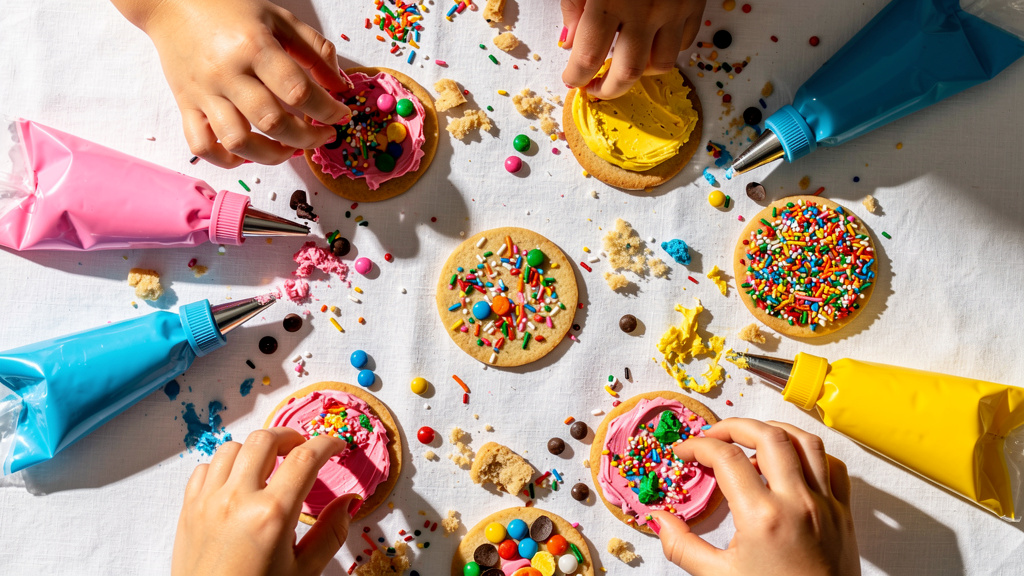
Combine creativity with treats at decorating stations featuring pre-baked cookies or cupcakes. Supply multiple frosting colors, various sprinkles, chocolate chips, candies, and decorating tools like small spatulas and piping bags.
Demonstrate basic techniques before kids start creating edible masterpieces. Protect workspace with disposable tablecloths and provide wipes for sticky fingers. Consider friendly competitions with categories like “most colorful,” “best use of sprinkles,” or “most creative design.”
Package finished treats in boxes or bags kids take home, doubling as party favors and dessert. This activity occupies 20-30 minutes and works for various themes—decorate cookies shaped like relevant characters or themes. Check dietary restrictions when sending invitations (Layer7 Designs templates make including allergy questions easy).
Allergy-Friendly Decorating Options
Offer gluten-free cookies/cupcakes alongside traditional versions, clearly labeled. Use nut-free toppings exclusively to prevent cross-contamination worries. Dairy-free frosting alternatives exist for lactose-intolerant guests. Prepare separate utensils and workspaces for allergen-free options.
Communicate with parents beforehand asking about allergies, listing planned ingredients, and welcoming alternatives parents provide. Vegan options increasingly available make inclusion easier. Estimated costs: $25-35 serves 12 kids with allergy accommodations.
13. Bubble Bonanza
Create bubble wonderlands with multiple stations: giant bubble makers using wands and ropes, bubble machines producing continuous streams, individual wands in various shapes, and bubble wrap stomping zones. This mesmerizing activity captivates five-year-olds completely.
Supplement with bubble science—making bubble solution (water, dish soap, glycerin), exploring bubble shapes, and bubble painting (blow bubbles in paint-tinted solution onto paper). Organize competitions for biggest bubble, longest-lasting bubble, or most bubbles caught.
Bubble activities work indoors and outdoors, though outdoor settings simplify cleanup. This provides both structured games and free exploration, accommodating different play styles. Purchase commercial bubble solution in bulk or make your own economically. Budget approximately $15-25 for comprehensive bubble supplies.
14. Pirate Treasure Adventure
Transform spaces into pirate ships or treasure islands with nautical decorations—skull-and-crossbones flags, nets, treasure chests, and ocean-blue streamers. Kids become pirates through costume elements: bandanas, eye patches, striped shirts, and foam swords.
Plan pirate activities including treasure hunts with maps, walking the plank (balance beam), pirate training courses, and ship battles with foam swords or pool noodles. Teach pirate vocabulary and phrases for authentic immersion. Serve pirate-worthy snacks like “cannonballs” (donut holes) and “gold coins” (chocolate coins).
Create treasure maps leading to hidden loot where every pirate finds equal treasure. Layer7 Designs offers pirate-themed custom invitations designed like treasure maps or wanted posters, immediately establishing the swashbuckling theme.
DIY Pirate Props and Decorations
Construct cardboard treasure chests by decorating boxes with brown paint, metallic hardware, and jewel stickers. Create ship sails using old sheets attached to broom handles. Fashion eye patches from felt with elastic bands. Make flags from fabric scraps and dowels.
Source inexpensive props from dollar stores—plastic coins, toy swords, bandanas, and decorative netting. Print wanted posters featuring party guests’ photos and pirate names. Budget $20-30 creates impressive pirate atmosphere. Preparation time: approximately 2-3 hours assembling major decorative elements.
15. Musical Chairs and Classic Party Games
Timeless games remain popular because they work. Musical chairs, pin the tail on the donkey, hot potato, Simon Says, and Red Light/Green Light require minimal supplies while providing maximum fun. Adapt games to party themes—pin the shield on the superhero, pin the wand on the fairy.
Set up adequate space maintaining safe movement during active games. Select upbeat, age-appropriate music. Award small prizes to eliminated players immediately so disappointment fades quickly. Everyone eventually wins something through various game rounds.
These structured activities provide reliable entertainment when energy levels vary or transitions between activities need filling. They accommodate different physical abilities and personalities—active games suit energetic kids while Simon Says welcomes cautious participants.
16. Petting Zoo or Animal Encounter
Special animal experiences create unforgettable memories. Mobile petting zoos bring friendly animals directly to parties—often including rabbits, guinea pigs, chickens, goats, and more. Services typically charge $200-400 for 1-2 hours and handle everything: animals, enclosures, handlers, and education.
Research reputable providers checking licenses, insurance, references, and animal welfare practices. Coordinate space requirements—usually 10×10 outdoor area minimum. Discuss supervision, hand-washing stations, and behavior expectations with handlers beforehand.
Complement animal encounters with themed activities: animal crafts, games like animal charades, and books about featured creatures. Layer7 Designs offers animal-themed custom invitations perfect for these special celebrations. Budget this as a splurge activity for once-in-childhood memories.
Choosing a Reputable Petting Zoo Service
Ask providers: Are animals licensed and vaccinated? What insurance coverage exists? Can you provide references? How do you maintain animal welfare? What contingency plans exist if animals show stress?
Check online reviews across multiple platforms. Request meeting animals beforehand when possible. Verify weather backup plans for outdoor encounters. Red flags include evasive answers about licensing, stressed-appearing animals, or unwillingness to answer welfare questions. Typical costs: $250-350 for basic 90-minute parties.
17. Movie Theater Experience at Home
Create cozy home theaters with comfortable seating (pillows, blankets, bean bags), dimmed lighting, and appropriate screen size. Select age-appropriate films matching party themes or featuring birthday child’s favorite characters, being mindful of research about (PDF) Television and Very young children’s media consumption. Keep viewing time around 45-60 minutes considering attention spans.
Establish concession stands featuring popcorn bars with flavoring options (cheese powder, cinnamon sugar), movie candy, juice boxes, and treats in kid-sized portions. Decorate with movie posters, red carpet entries, and ticket booth check-ins for authentic theater feels.
Add pre-movie or post-movie activities: movie trivia, charades acting out favorite scenes, or crafts creating movie-related items. This provides calmer entertainment perfect for winding down from higher-energy activities or escaping inclement weather.
18. Dress-Up Fashion Show
Imaginative play shines at dress-up parties featuring costume stations with diverse options: princess dresses, superhero capes, pirate gear, animal costumes, hats, boas, jewelry, and scarves. Full-length mirrors let kids admire transformations while photo booths capture memories.
Organize fashion shows where kids showcase costumes on runways accompanied by music. Encourage silly walks, poses, and personalities. Award categories verifying everyone receives recognition: “Most Creative,” “Best Accessories,” “Fanciest,” “Silliest.”
Include craft stations where kids make accessories—fairy wands, superhero masks, crowns, or pirate patches—complementing costumes from the dress-up collection. This encourages creativity, self-expression, and cooperative play.
Budget-Friendly Costume Sources
Thrift stores offer incredible costume pieces for $2-5 each—formal wear, Halloween leftovers, interesting accessories. Post-Halloween clearance sales discount costumes 50-75%. Dollar stores stock basic costume elements cheaply.
Create simple costumes from household items: capes from old pillowcases, crowns from cardboard, wands from painted dowels with ribbon. Borrow costume collections from friends with older children. Estimated investment: $30-50 builds substantial dress-up inventory.
19. Sports and Field Day Games
Athletic kids love field day-style competitions featuring multiple stations: relay races (egg-spoon, three-legged, backwards running), sack races, tug-of-war, bean bag tosses, and mini obstacle courses. Form balanced teams maintaining fair competition.
Provide inexpensive equipment: burlap sacks from dollar stores, plastic eggs, rope for tug-of-war, hula hoops, and cones. Create medal stands, award ribbons, or certificates for all participants. Theme variations include Olympic games, jungle Olympics, or superhero training games.
Rotate kids through stations every 5-7 minutes maintaining engagement and accommodating different skill levels. Emphasize fun over winning, celebrating effort and improvement. This outdoor party activity burns substantial energy while teaching teamwork.
20. Magic Show Performance
Professional children’s magicians create wonder-filled entertainment perfectly suited for five-year-olds, typically charging $150-300 for 30-45 minute shows. They perform age-appropriate tricks, involve audience participation, and maintain fast-paced engagement matching young attention spans.
When booking, verify experience with young children, check references, discuss show length, and confirm setup requirements (performance area, electricity, seating). Layer7 Designs offers magic-themed custom invitations announcing the mysterious celebration.
Budget-conscious families can learn simple tricks online and perform DIY shows. Supplement with magic workshops where kids learn easy tricks—disappearing objects, simple card tricks, or scarf pulls. Provide magic-themed favors like trick kits and wands.
Simple Magic Tricks Parents Can Learn
The “disappearing coin” uses basic palm techniques concealing coins while appearing to transfer them between hands. “Magic coloring book” reveals pictures appearing and disappearing through specific page-turning sequences. “Cut and restored rope” creates illusions using rope manipulation.
These tricks require minimal materials and 30-60 minutes practice time. YouTube tutorials demonstrate techniques step-by-step. Present tricks dramatically with engaging storytelling, sound effects, and audience participation. Practice until movements feel natural and confident.
21. Scavenger Hunt Adventure
Versatile scavenger hunts adapt to any theme or location. Item collection hunts task kids with finding specific objects (something red, something soft, something round). Photo challenge hunts require photos with found items. Riddle-based hunts use clues leading to locations revealing next directions.
Create age-appropriate lists using pictures alongside words for pre-readers. Color hunts work beautifully—find items in rainbow order. Nature hunts identify specific leaves, rocks, or flowers outdoors. Indoor hunts locate household items, toys, or hidden cards.
Decide between team hunts fostering cooperation or individual hunts letting kids work independently. Time allowances typically run 15-25 minutes. Theme hunts to party topics—detective mysteries, fairy quests, or dinosaur egg searches.
22. Tea Party Celebration
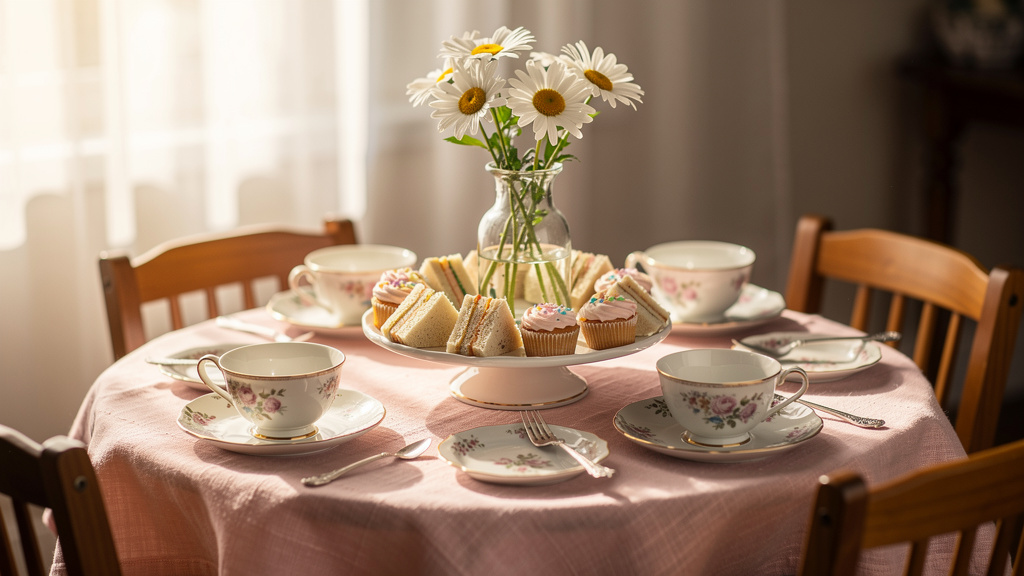
Elegant tea parties charm five-year-olds wanting sophisticated experiences. Set pretty tables with child-safe tea sets, tablecloths, flowers, and decorative touches. Serve “tea” options like juice, lemonade, or mild herbal preparations alongside finger sandwiches, scones, cookies, and fruit.
Teach basic etiquette playfully—holding teacups properly, polite conversation, saying please and thank you. Encourage bringing favorite stuffed animals or dolls as special guests. Theme variations include princess teas, teddy bear picnics, or fairy garden parties.
Incorporate activities like decorating teacups (plastic ones with stickers), making flower crowns, or creating fancy place cards. This provides calmer entertainment between active games.
Kid-Friendly Tea Party Menu Ideas
Simple sandwiches use crowd-pleasing fillings: cream cheese and cucumber, peanut butter and jelly (check allergies), ham and cheese. Mini muffins, purchased scones, and cookies provide easy pastries. Present fruit kabobs or berries attractively.
Serve apple juice or lemonade as “tea,” plus actual mild herbal tea (cooled) for adventurous sippers. Allergy substitutions: gluten-free bread, nut-free spreads, dairy-free options. Preparation time: 60-90 minutes. Estimated cost: $25-30 for 12 kids.
23. Dinosaur Dig Excavation
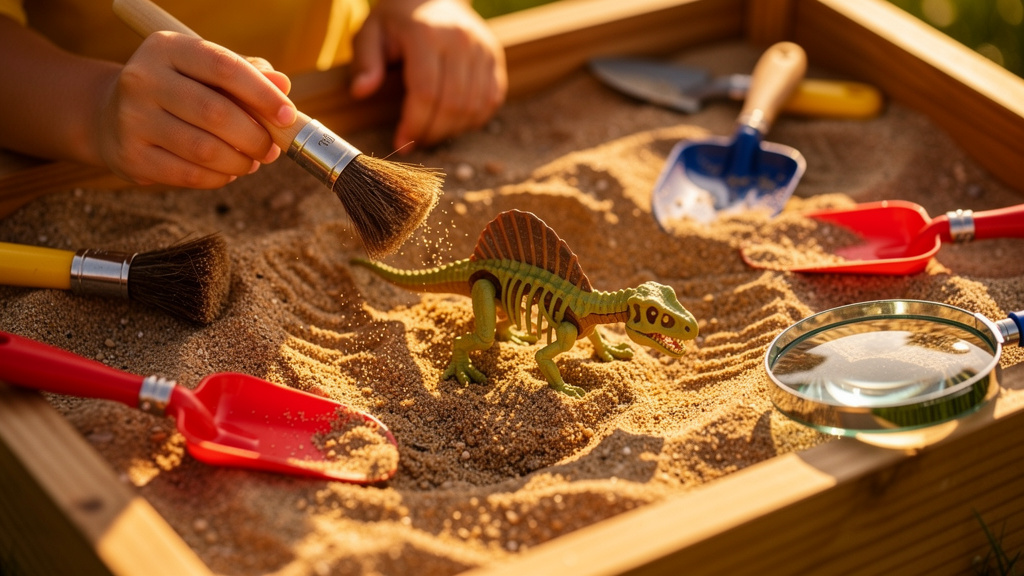
Transform spaces into archaeological sites with sand tables, sandboxes, or large bins filled with sand. Bury plastic dinosaurs, fossil replicas, toy bones, eggs, and dinosaur-themed treasures for excavation discovery.
Provide excavation tools: brushes for careful uncovering, small shovels for digging, sifters for separating, and magnifying glasses for examining finds. Label discoveries, identify dinosaur species together, and discuss basic paleontology concepts accessibly.
Complement with dinosaur activities: volcano eruptions (baking soda experiments), dinosaur crafts (clay fossil making), and prehistoric-themed snacks. Layer7 Designs offers dinosaur-themed custom invitations perfect for budding paleontologists. This educational entertainment typically engages kids for 20-30 minutes.
24. Cooking or Baking Party
Hands-on cooking creates delicious fun through age-appropriate projects: personal pizzas (pre-made crusts with chosen toppings), fruit kabobs (threading fruit pieces), simple sandwiches, or rice crispy treats. Kids love creating food they immediately enjoy.
Establish clear safety protocols and maintain constant supervision for any cooking activities. Provide each child with their own ingredients and tools minimizing sharing and cross-contamination. Check allergies beforehand and prepare alternatives when needed.
Supply chef hats and aprons kids decorate beforehand as activities and take-home favors. This combines practical skills, creativity, and treats in one memorable experience.
No-Bake Recipes Perfect for 5-Year-Olds
Ants on a log: spread peanut butter (or sunflower seed butter) on celery, top with raisins.
Fruit pizza: spread cream cheese on sugar cookies, arrange fruit toppings.
Yogurt parfaits: layer yogurt, granola, and berries.
Trail mix: combine cereals, dried fruits, and mini chocolate chips.
Each recipe requires 5-10 minutes preparation, zero cooking, and minimal supervision. Provide individual portions and clear instructions. Accommodate allergies through simple substitutions. Package finished treats for taking home.
25. Karaoke and Talent Show
Performance opportunities let kids showcase personalities through karaoke singing, dancing, joke-telling, magic tricks, or any talent they choose—activities that support Young Children’s Career Aspirations and self-expression development. Set up microphone systems (even toy ones work), create stage areas with curtains, arrange audience seating, and provide encouraging applause.
Select family-friendly songs with simple lyrics kids know: children’s movie soundtracks, classic nursery rhymes, or popular clean pop songs. Display lyrics using tablets or laptops for reading assistance. Award everyone recognition: “Best Energy,” “Funniest Performance,” “Most Creative.”
Encourage rather than pressure—some kids love performing while others prefer watching. Record performances (with parent permission) creating memories families cherish. This activity suits various personalities and typically provides 30-40 minutes of entertainment.
How to Choose the Perfect Entertainment for Your Child’s Party
Start by considering your child’s individual personality and interests. Does your birthday kid love superheroes or princesses? Active outdoor play or quiet creative projects? Structure or spontaneity? The best party activities for 5 year olds reflect what genuinely excites your child rather than following generic trends.
Evaluate practical constraints: available space (backyard, living room, rented venue), budget limitations, and seasonal weather. Small apartments suggest crafts or movie parties; large yards accommodate obstacle courses and water games. Winter birthdays need indoor options; summer celebrations allow outdoor adventures.
Guest list size impacts feasibility—10 kids manage differently than 25. More guests require simpler activities with less individualized attention. Consider mixing entertainment types: combine one high-energy game, one creative project, and one themed activity for balanced engagement.
Survey your child about favorite ideas from this list, then filter choices through practical considerations. Plan 3-4 main activities for standard 2-3 hour parties, plus buffer activities for arriving/departing guests. Always prepare backup options—weather changes, unexpected interests, or activities finishing faster than anticipated.
Creating Your Party Entertainment Timeline
Sample 2.5-hour timeline:
-
Arrival activity (15 minutes free play with toys/coloring)
-
Main activity #1 (25 minutes obstacle course)
-
Transition (5 minutes)
-
Creative activity (20 minutes crafts)
-
Snack time (15 minutes)
-
Main activity #2 (20 minutes treasure hunt)
-
Cake and singing (15 minutes)
-
Final activity (15 minutes bubbles or dancing)
-
Departure (10 minutes)
Balance high-energy games with calmer activities preventing overstimulation. Include buffer time between activities for transitions, bathroom breaks, and unexpected delays. Schedule food after at least one major activity when kids have worked up appetites. Wind down before pickup with quieter entertainment maintaining smooth departures.
Tips for Successful Party Entertainment Execution
Preparation prevents stress. Complete as much as possible before party day: set up craft stations, fill water balloons, create treasure hunt clues, organize supplies by activity. Prepare 2-3 days ahead for major elements and finalize setup the morning of the party.
Recruit helpers—friends, family, or older siblings—assigning specific responsibilities: one person manages crafts, another supervises obstacle courses, someone else handles snacks and drinks. Clear assignments prevent confusion and maintain constant supervision.
Communicate expectations to children before activities begin. Briefly explain rules, demonstrate when helpful, and establish behavioral expectations. Maintain flexibility—if kids love an activity, extend it; if something flops, transition smoothly to backups without dwelling on disappointments.
Create subtle photography opportunities without interrupting fun. Designate one person for pictures, setup photo booth backdrops, and capture candid moments naturally. Prepare simple cleanup stations and enlist helpers for quick turnarounds between activities.
Essential Party Supplies Checklist
General supplies regardless of entertainment chosen:
-
Decorations (balloons, streamers, banners, tablecloths)
-
Food service items (plates, napkins, cups, utensils, serving pieces)
-
Safety and cleanup (first aid kit, trash bags, paper towels, wipes)
-
Activity supplies (varies by chosen entertainment)
-
Party favors and goodie bags
Quantities for 12 kids: 15 place settings (extras for mishaps), 2-3 rolls paper towels, multiple trash bags, backup supplies for popular activities. Organize using labeled bins making items easy to locate quickly. Source from dollar stores, party supply stores, and bulk retailers for best pricing.
Making Entertainment Match Your Party Theme
Themed parties create cohesive, immersive experiences when entertainment aligns with overall concepts. Superhero parties incorporate training academies, rescue missions, and costume creation. Princess themes feature royal balls, crown decorating, and tea parties. Dinosaur celebrations include excavation digs, fossil crafts, and prehistoric games.
Adapt classic activities to specific themes: treasure hunts become dragon egg searches for fantasy parties, obstacle courses transform into space training for astronaut themes, crafts create relevant props and decorations. This doesn’t require expensive specialty items—creative adaptation of simple supplies works beautifully.
Layer7 Designs’ custom digital invitations establish themes from the first guest communication, creating anticipation and excitement. Their editable Canva templates let you perfectly match invitation designs to planned entertainment, decorations, and overall party vision. This coordination makes celebrations feel professional and intentional.
Theme doesn’t mean every element must match perfectly. Balance theme consistency with activity variety verifying kids experience different entertainment types even within cohesive celebrations.
Budget-Friendly Entertainment Strategies
Memorable parties don’t require massive spending. Many entertainment ideas on this list cost under $30 total: obstacle courses using household items, DIY treasure hunts, craft stations with dollar store supplies, bubble activities, classic party games, and outdoor sports competitions.
Compare DIY versus professional services honestly. Face painting yourself saves $100-150 but requires practice time and ability. LEGO challenges cost nothing using your collection versus renting entertainment for $200-300. Magic shows create wow moments but simple treasure hunts produce equal excitement at fraction of cost.
Layer7 Designs’ digital invitations save money versus traditional printed invitations while offering superior personalization through instant-download Canva templates. This puts budget toward entertainment rather than paper stationery.
Shop strategically: dollar stores for basic supplies, post-holiday sales for theme items, bulk retailers for consumables, and thrift stores for costume pieces. Borrow equipment from friends, reuse decorations from previous parties, and choose activities emphasizing creativity over expensive materials.
Cost Breakdown by Entertainment Type
Low-cost options ($0-25): Classic games, DIY treasure hunts, basic crafts, obstacle courses, dance parties, scavenger hunts, dress-up with borrowed costumes, bubbles.
Medium-cost options ($25-75): Enhanced craft stations, cookie decorating, science experiments, themed props and decorations, bubble machines, karaoke equipment rental.
Higher-cost options ($75-300+): Professional face painters ($100-150), magic shows ($150-300), petting zoos ($200-400), movie theater rentals ($100-200).
Total party budgets:
-
Basic DIY celebration ($50-100)
-
Moderate party combining DIY and one professional element ($150-250)
-
Elaborate celebration with multiple splurge items ($300-500+)
Most memorable parties fall in the moderate range focusing budget on elements truly important to the birthday child.
Setting the Tone with Perfect Party Invitations
Invitations create important first impressions, generating excitement weeks before celebrations begin. Custom digital invitations from Layer7 Designs offer personalization that generic store-bought options can’t match, featuring themes perfectly aligned with planned entertainment.
Their editable Canva templates provide professional designs you customize with party details, child’s name, and special touches—all through instant downloads. This combines convenience with personalization, letting busy parents create beautiful invitations in minutes rather than hours.
Digital invitations offer practical advantages: instant delivery via email or messaging, easy RSVP tracking, environmental friendliness, and cost savings versus printed alternatives. Include essential information: date, time, location, theme, suggested attire, what to bring (swimsuits for water parties, favorite stuffed animal for teddy bear picnics), and allergy information requests.
“The invitation sets the stage for what’s to come. When kids receive something personalized and exciting in the mail or digitally, it builds anticipation that makes the actual party even more special.” — Party Planning Expert
Creative wording builds anticipation. Instead of “Join us for Emma’s 5th birthday,” try “Calling all superheroes for training academy enrollment” or “You’re invited to Princess Clara’s Royal Ball.” Layer7 Designs provides 100+ creative invitation wording examples specifically for 5-year-olds, helping parents craft messages that excite guests from the first read.
Conclusion
Planning the perfect fifth birthday celebration combines understanding your child’s developmental stage, interests, and personality with selecting entertainment that genuinely engages young guests while maintaining manageable logistics for parents. These 25 party entertainment ideas for 5 year olds offer diverse options spanning active outdoor adventures, creative indoor projects, themed immersive experiences, and special splurge-worthy memories.
Remember that successful parties flow from thoughtful matching of entertainment to your specific child rather than following generic formulas. A shy, creative child might prefer crafts and tea parties; an energetic, adventurous kid could thrive with obstacle courses and pirate adventures. Mix activity types balancing high-energy games with calmer creative projects, allowing all personality types to shine.
Budget matters less than creativity and intentionality. Many families create magical celebrations for under $100 using DIY approaches, household items, and thoughtful planning. Others choose to splurge on professional entertainment as once-in-childhood investments. Both paths produce beautiful memories when activities align with what truly excites your birthday child.
Start your celebration planning with perfect invitations from Layer7 Designs. Their custom digital designs with editable Canva templates set exciting tones from the first guest communication, building anticipation that makes actual parties even more special. Then select 3-4 entertainment ideas from this list, prepare thoroughly, recruit helpers, and maintain flexibility during celebrations.
Your child’s fifth birthday marks significant growth—celebrate this milestone by creating joyful experiences they’ll remember. With these entertainment ideas and planning strategies, you’re ready to host amazing celebrations filled with laughter, excitement, and that magical birthday feeling every child deserves.
FAQs
How Many Activities Should I Plan for a 2-Hour Party for 5-Year-Olds?
Plan 3-4 main activities plus arrival and departure buffer entertainment for typical 2-hour celebrations. Five-year-olds maintain focus for 10-15 minutes per structured activity, so multiple shorter activities work better than fewer lengthy ones. Balance high-energy games (obstacle courses, dance parties) with calmer creative projects (crafts, decorating cookies) preventing overstimulation while maintaining engagement. Always prepare 1-2 backup activities in case planned entertainment finishes faster than expected or doesn’t capture interest as anticipated. Include some unstructured free play time—kids need breaks from constant direction.
What’s the Ideal Party Duration for 5-Year-Olds?
Two to three hours represents the sweet spot for 5-year-old birthday parties. Shorter celebrations feel rushed and don’t allow sufficient entertainment variety; longer parties risk exhausting young guests and hosts alike. Consider timing carefully—avoid naptime conflicts, don’t overlap meal times unless providing substantial food, and remember weekend afternoons typically work better than weekday evenings. Communicate clear start and end times on invitations (Layer7 Designs templates make this easy) helping parents plan accordingly. Some families successfully host 90-minute parties with streamlined activities, while elaborate theme parties occasionally extend to 3.5 hours maximum.
How Do I Keep All Kids Engaged When They Have Different Interests?
Offer simultaneous activity stations allowing children to rotate based on preferences rather than forcing everyone through identical sequences. Set up craft tables, active game areas, and quiet reading corners operating concurrently, with helpers monitoring each zone. Mix structured group activities (treasure hunts, musical chairs) with free choice periods where kids select preferred entertainment. Observe engagement levels and adapt—if half the kids love an activity while others seem bored, provide alternatives rather than insisting everyone participate identically. Include both competitive and non-competitive options since some children thrive on challenges while others prefer cooperative play. Having backup quiet activities gives overwhelmed or shy children comfortable spaces without feeling excluded.
Should I Hire Professional Entertainment or Do It Yourself?
This decision depends on budget, available preparation time, personal comfort levels, and party ambitions. Professional entertainers ($150-300 for magicians, face painters, or petting zoos) provide polish and remove host responsibilities, but DIY approaches create equally memorable experiences at fractions of cost. Consider hybrid strategies: hire one professional element (face painting) while handling other activities yourself (treasure hunt, crafts). Assess honestly—if party planning stresses you significantly, professional help might justify costs. However, many parents successfully host amazing celebrations through DIY creativity, recruited helpers, and thorough preparation. Most children remember fun experiences rather than professional polish, so don’t feel pressured to hire expensive entertainment unless it genuinely adds to what your child wants.
How Can I Accommodate Food Allergies During Party Activities?
Communicate with parents before parties using invitation RSVP processes (Layer7 Designs templates can include allergy questions) asking about dietary restrictions and specific allergens. For food-based activities like cookie decorating or cooking crafts, provide clearly labeled allergen-free alternatives maintaining every child participates safely. Create separate preparation areas and use dedicated utensils preventing cross-contamination. When possible, choose non-food activities eliminating concerns entirely. Keep emergency contact information and necessary medications (like EpiPens) readily accessible with clear action plans. Label all foods at parties with ingredient lists, and consider making entire events nut-free since this represents the most dangerous common allergy. Parents of allergic children typically appreciate hosts who proactively address concerns rather than making them repeatedly advocate for accommodations.
What Should I Do if Weather Ruins My Outdoor Entertainment Plans?
Always prepare complete indoor backup plans when scheduling outdoor activities—never assume favorable weather. Check forecasts 2-3 days before parties and communicate plan changes to guests promptly. Many outdoor activities adapt successfully indoors: obstacle courses work in living rooms using modified stations, treasure hunts move inside hiding clues throughout houses, water balloon activities convert to bubble play or indoor ball tosses. Choose entertainment with indoor/outdoor flexibility when possible—crafts, movie screenings, dance parties, and karaoke function equally well in any setting. Garages or covered patios offer intermediate options for light rain situations. Keep backup supplies readily available rather than scrambling last-minute if weather turns. Mental flexibility matters most—the party’s success depends on your adaptability and positive attitude rather than perfect weather conditions.